
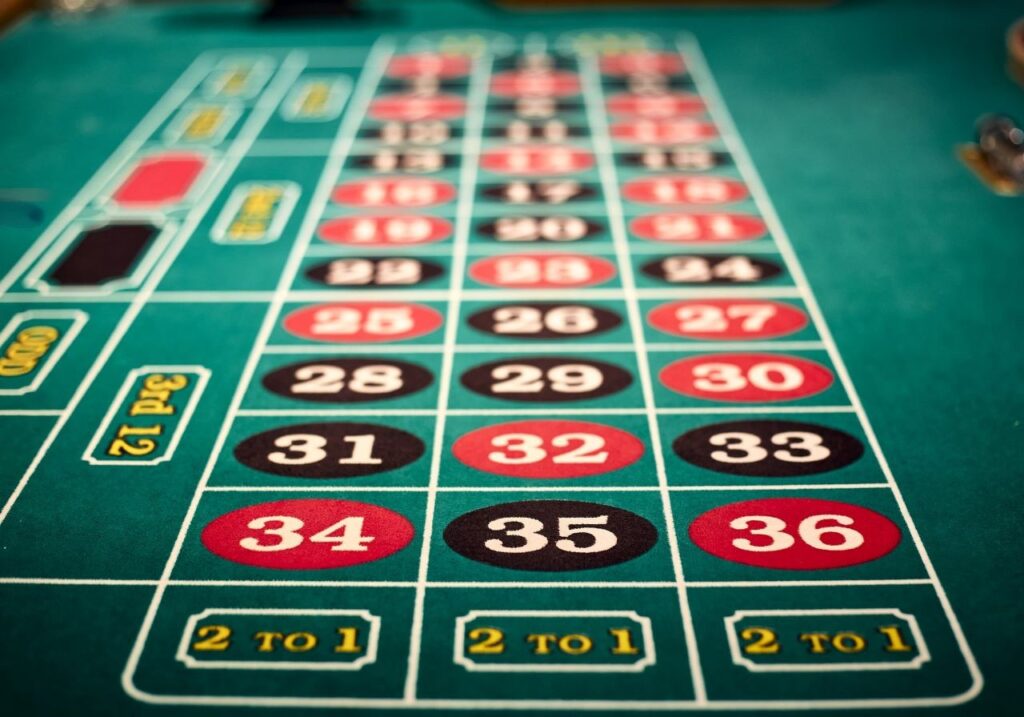
Most roulette guides focus exclusively on standard inside and outside bets, leaving players unprepared for the array of side betting options available at US casinos. Side bets in roulette encompass any wagers beyond the core betting structure, including specialized combinations like the top line bet, racetrack call bets, and increasingly popular electronic side betting terminals that offer unique proposition wagers.
These alternative betting options come with significantly higher house edges and increased volatility compared to standard roulette bets. While most American roulette bets carry a 5.26% house edge, side bets can range from the same baseline up to devastating 7.89% or higher for certain combinations. This mathematical disadvantage, combined with aggressive casino marketing of these “exciting” betting options, creates a perfect storm for uninformed players to make costly wagering mistakes that can quickly deplete their bankroll.
What Counts as a Roulette Side Bet in US Casinos?
Side bets in American roulette represent any wagering options that fall outside the standard 38-number betting grid and traditional even-money propositions. These include the notorious five-number top line bet covering 0, 00, 1, 2, and 3, various racetrack call bets imported from European wheels, and proprietary electronic side betting systems that many US casinos now feature alongside traditional roulette tables.
American double-zero wheels dominate US casino floors, and most side betting options have been specifically adapted for this 38-number format. Unlike single-zero European wheels where certain call bets originated, the additional 00 pocket fundamentally alters the mathematical structure of these wagers, typically increasing the house edge beyond what players might expect from European roulette guides.
The defining characteristic of roulette side bets is their deviation from standard probability structures, often featuring house edges well above the 5.26% baseline. The five-number top line bet exemplifies this problem with its 7.89% house edge, making it statistically the worst standard bet available on American roulette wheels.
Understanding which bets qualify as “side bets” becomes crucial for bankroll management, as these wagers can dramatically accelerate losses compared to traditional betting patterns. Players who fail to recognize the mathematical disadvantages of side betting options often experience unexpectedly rapid bankroll depletion during extended gaming sessions.
Core Roulette Bets vs Side Bets
- Standard Inside Bets: Straight numbers, splits, streets, corners, and six-line bets maintain the consistent 5.26% house edge on American wheels
- Traditional Outside Bets: Red/black, odd/even, high/low, dozens, and columns offer lower volatility with the same mathematical disadvantage
- Top Line Side Bet: The five-number combination (0, 00, 1, 2, 3) carries a devastating 7.89% house edge, nearly 50% worse than standard bets
- Racetrack Call Bets: Voisins du Zero, Tiers du Cylindre, and Orphelins require multiple chips and complex betting patterns
- Electronic Side Betting: Progressive jackpots, bonus rounds, and specialty proposition bets offered through digital terminals
- Combination Side Bets: Multi-number patterns that don’t follow standard geometric layouts on the betting felt
- Proprietary Casino Side Bets: House-specific wagering options that vary by casino operator and often carry undisclosed house edges
Why US Roulette Side Bets Deserve Extra Scrutiny
Casino marketing departments aggressively promote side bets because they generate significantly higher revenue per bet compared to standard roulette wagers. These betting options are often presented with flashy displays, special payouts, and promotional materials that emphasize potential winnings while downplaying or completely omitting the mathematical disadvantages players face.
The financial impact of side bet house edges compounds rapidly over multiple spins, creating substantial expected losses that many players fail to calculate. A player making $25 top line bets instead of standard $25 inside bets will lose an additional $65 per 100 spins on average, purely due to the increased house edge.
US casinos have invested heavily in electronic side betting systems that operate alongside traditional roulette tables, creating additional temptation for players already engaged in the base game. These systems often feature progressive jackpots and bonus features designed to encourage frequent side bet participation, despite house edges that can exceed 10% on certain propositions.
American Roulette Fundamentals: Odds, Payouts & House Edge
American roulette wheels feature 38 pockets including numbers 1-36, plus 0 and 00, creating the mathematical foundation for all betting calculations. The presence of both zero pockets gives the house a 5.26% edge on most standard bets, calculated as 2/38 or approximately 0.0526. This house edge applies consistently across inside bets like straight numbers (35:1 payout) and outside bets like red/black (1:1 payout), with the notable exception of the five-number top line bet.
Understanding true probability versus payout structures reveals why side bets become problematic for player bankrolls. While a straight number bet has a 1/38 chance of winning and pays 35:1, the mathematical fair payout would be 37:1, creating the house advantage. Side bets often feature even more significant discrepancies between true odds and actual payouts.
The double-zero structure of American wheels creates unique side betting opportunities that don’t exist on single-zero European wheels, but virtually all of these options carry house edges equal to or greater than standard American roulette bets. Players familiar with European roulette often underestimate how the additional zero pocket affects side bet mathematics when playing in US casinos.
Comparing American and European wheel structures highlights why US side bets deserve particular caution. European wheels with 37 pockets create a 2.70% house edge on standard bets, making their side betting options relatively less costly. The same side bet concepts adapted to American wheels nearly double the mathematical disadvantage.
House edge calculations become more complex with side bets that require multiple chips or cover non-standard number combinations. Players must calculate the total amount wagered, the various payout possibilities, and the overall probability of any winning outcome to determine the true cost of these betting patterns.
| Bet type | Payout (American) | True probability | House edge | Notes |
|---|---|---|---|---|
| Straight Number | 35:1 | 2.63% | 5.26% | Standard inside bet |
| Split Bet | 17:1 | 5.26% | 5.26% | Two adjacent numbers |
| Street Bet | 11:1 | 7.89% | 5.26% | Three number row |
| Red/Black | 1:1 | 47.37% | 5.26% | Even money bet |
| Dozens/Columns | 2:1 | 31.58% | 5.26% | 12 numbers covered |
| Top Line (0,00,1,2,3) | 6:1 | 13.16% | 7.89% | Worst standard bet |
| Corner Bet | 8:1 | 10.53% | 5.26% | Four number square |
| Six Line | 5:1 | 15.79% | 5.26% | Two adjacent streets |
Single-Zero vs Double-Zero: How Extra Zeros Change Side Bets
The additional 00 pocket on American wheels fundamentally alters the mathematics of all side betting options imported from European roulette. While European call bets like Voisins du Zero were designed around a 37-pocket wheel structure, their adaptation to 38-pocket American wheels increases house edges and often requires modified chip placement patterns that further disadvantage players.
European side bets translated to American wheels face a double penalty: the increased denominator in probability calculations due to the extra pocket, and often suboptimal payout structures that weren’t adjusted to compensate for the changed odds. This mathematical mismatch makes American adaptations of European side bets particularly costly for players who assume equivalent house edges.
The zero and double-zero pockets create unique American side betting opportunities like the top line bet, which has no European equivalent due to the absence of 00 on single-zero wheels. These American-specific side bets typically carry the highest house edges available on roulette tables, making them mathematical traps for uninformed players.
The Top Line (Five-Number) Bet: The Worst Standard Bet in American Roulette
The five-number top line bet, covering 0, 00, 1, 2, and 3, represents the mathematical worst-case scenario for American roulette players with its 7.89% house edge. This bet requires placing chips at the intersection of the 0/00 and 1/2/3 betting areas, creating a single wager that covers five numbers but pays only 6:1 despite the unfavorable probability structure.
Unlike other American roulette bets that maintain the consistent 5.26% house edge, the top line bet’s payout structure creates a mathematical anomaly that significantly favors the house. The true odds against winning this bet are 33:5 or 6.6:1, but the actual payout of 6:1 creates the additional house advantage that pushes the edge to 7.89%.
Comparing the top line bet to other inside betting options reveals the substantial cost difference over time. While a straight number bet loses $5.26 per $100 wagered on average, the top line bet loses $7.89 per $100 wagered, representing a 50% increase in expected losses purely due to the payout structure mismatch.
The top line bet’s popularity among novice players stems from its apparent simplicity and the visual appeal of covering both zero pockets plus three numbers with a single chip placement. However, this convenience comes at a significant mathematical cost that compounds rapidly during extended play sessions.
Professional roulette players and advantage gamblers universally avoid the top line bet due to its inflated house edge, considering it a clear violation of optimal betting strategy. The bet serves as a cautionary example of how seemingly minor payout adjustments can dramatically impact long-term player results.
| Bet | Numbers covered | Payout | Hit probability | House edge | Expected loss per $100 |
|---|---|---|---|---|---|
| Top Line (0,00,1,2,3) | 5 | 6:1 | 13.16% | 7.89% | $7.89 |
| Corner Bet | 4 | 8:1 | 10.53% | 5.26% | $5.26 |
| Street Bet | 3 | 11:1 | 7.89% | 5.26% | $5.26 |
| Split Bet | 2 | 17:1 | 5.26% | 5.26% | $5.26 |
| Straight Number | 1 | 35:1 | 2.63% | 5.26% | $5.26 |
Top Line Bet: Why the House Edge Spikes
The mathematical foundation of the top line bet’s inflated house edge lies in its unique payout structure that deviates from standard American roulette mathematics. While most roulette bets maintain proportional relationships between numbers covered, probability, and payouts, the five-number bet breaks this pattern with a 6:1 payout that should theoretically be 6.6:1 to match the house edge of other bets.
The calculation reveals the precise mathematical disadvantage: with 5 winning numbers out of 38 total, the probability of winning is 5/38 or 13.158%. The true odds are 33:5, which reduces to 6.6:1, but the casino pays only 6:1, creating the additional 0.6:1 disadvantage that translates to the elevated house edge. This seemingly small difference in payout structure increases the mathematical disadvantage by approximately 50% compared to standard American roulette bets.
The compounding effect of this inflated house edge becomes apparent over multiple betting sessions, where the additional 2.63% house edge creates substantial unexpected losses for players who assume all roulette bets carry similar mathematical disadvantages. Professional gamblers recognize this mathematical anomaly as a clear indication to avoid the bet entirely, regardless of short-term variance or apparent winning streaks.
Racetrack and Call Bets: European Concepts in US Settings
Racetrack betting sections, featuring oval layouts that mirror the physical arrangement of numbers on the roulette wheel, have become increasingly common in high-end US casinos catering to international players. These betting areas allow players to place complex call bets like Voisins du Zero, Tiers du Cylindre, and Orphelins that were originally designed for single-zero European wheels but have been adapted for American double-zero play.
Call bets represent combinations of straight and split bets arranged according to wheel geography rather than table layout, requiring multiple chips and creating complex payout scenarios. Voisins du Zero covers the 17 numbers surrounding the zero pocket with 9 chips placed in specific patterns, while Tiers du Cylindre covers 12 numbers opposite the zero with 6 chips, and Orphelins covers the remaining 8 numbers with 5 chips.
The mathematical structure of these call bets maintains the standard 5.26% American roulette house edge because they consist entirely of legitimate straight and split bet combinations. However, their complexity often confuses players about total amounts wagered and potential payouts, leading to bankroll management problems and unexpected bet sizes that exceed intended spending limits.
US adaptations of European call bets face the mathematical challenge of incorporating the additional 00 pocket, which disrupts the original wheel geometry these bets were designed around. Some casinos modify the traditional patterns to account for the double-zero, while others maintain European structures and simply accept the mathematical inconsistencies created by the extra pocket.
The appeal of call bets for US players often stems from their perceived sophistication and the ability to cover large sections of the wheel with single verbal commands. However, the minimum bet requirements and multiple chip commitments required for these wagers make them unsuitable for casual players or those with limited bankrolls, despite their standard house edge percentages.
- Voisins du Zero: Covers 17 numbers around the zero with 9 chips, requiring splits, corners, and three-number bets totaling significant minimum wagers
- Tiers du Cylindre: Uses 6 chips to cover 12 numbers opposite the zero section through split bet combinations paying various amounts
- Orphelins: Covers the remaining 8 numbers with 5 chips using a combination of straight and split bets with complex payout structures
- Zero Neighbors: Covers 5, 7, or 9 numbers surrounding zero with equal straight bets, popular among US players for its simplicity
- Final Bets: All numbers ending in the same digit (finals 0-9) with varying chip requirements and payout complications
- Red/Black Splits: Complex combinations covering splits that include both red and black numbers, creating unique betting patterns
- Wheel Sections: Custom arrangements covering specific wheel sections that don’t follow traditional European call bet patterns
Key Racetrack Side Bets and Their Structures
Understanding the chip placement requirements and underlying mathematical structures of popular call bets helps players make informed decisions about these complex wagering options. Each call bet represents a predetermined combination of standard roulette bets with specific minimum chip requirements that often exceed casual players’ intended bet sizes.
The translation of these European concepts to American wheels creates additional complexity, as the double-zero pocket disrupts traditional wheel geography and often requires modified betting patterns. Players familiar with European call bets may find American adaptations confusing or mathematically inconsistent with their expectations.
| Call bet | Numbers covered (single-zero base) | Equivalent chip pattern | Approx. house edge on American wheel |
|---|---|---|---|
| Voisins du Zero | 22,18,29,7,28,12,35,3,26,0,32,15,19,4,21,2,25 | 9 chips: 2 corners, 5 splits, 1 three-number | 5.26% |
| Tiers du Cylindre | 27,13,36,11,30,8,23,10,5,24,16,33 | 6 chips: 6 split bets | 5.26% |
| Orphelins en Plein | 1,6,9,14,17,20,31,34 | 8 chips: 8 straight bets | 5.26% |
| Orphelins en Cheval | 1,6,9,14,17,20,31,34 | 5 chips: 1 straight, 4 splits | 5.26% |
| Zero and Neighbors | 22,18,29,7,28,12,35,3,26 | 9 chips: 9 straight bets | 5.26% |
| Finals 0-9 | Varies by final digit | 3-4 chips: straight bets on matching endings | 5.26% |
House Edge Breakdown by Side Bet Type
Analyzing roulette side bets by their mathematical disadvantage reveals a clear hierarchy from relatively benign options to devastating bankroll killers that should be avoided entirely. While standard American roulette maintains a consistent 5.26% house edge, side betting options range from this baseline up to double-digit percentages that create massive expected losses for uninformed players.
The worst offenders include the five-number top line bet at 7.89% and various electronic side betting systems that can exceed 10% house edge depending on their specific rules and payout structures. Progressive jackpot side bets often carry the highest mathematical disadvantages, as a portion of each wager funds the jackpot pool rather than contributing to player payouts.
Proprietary electronic side bets have become increasingly common in US casinos, featuring digital terminals that operate alongside traditional roulette tables. These systems often offer bonus rounds, multipliers, and progressive features that create complex mathematical structures with house edges significantly higher than standard roulette betting options.
Racetrack call bets maintain standard house edges because they consist of legitimate roulette bet combinations, making them mathematically equivalent to placing the same bets individually on the main layout. However, their minimum bet requirements and complexity often result in larger total wagers than players initially intended.
Understanding the ranking of side bets by house edge allows players to make informed decisions about which options might be acceptable for occasional entertainment value versus those that should be avoided entirely. Even small differences in house edge percentage translate to significant dollar amounts over extended play sessions.
| Side bet type | Example | Wheel type | Payout | House edge % | Rank (player-friendly to worst) |
|---|---|---|---|---|---|
| Call Bets | Voisins du Zero | American | Variable | 5.26% | 1 (Best) |
| Neighbor Bets | Zero + 4 neighbors | American | 35:1 each | 5.26% | 1 (Best) |
| Standard Combinations | Custom sector bets | American | Variable | 5.26% | 1 (Best) |
| Basket/Top Line | 0,00,1,2,3 | American | 6:1 | 7.89% | 4 (Poor) |
| Electronic Side Bets | Bonus multipliers | American | Variable | 8-12% | 5 (Bad) |
| Progressive Jackpots | Lucky number jackpot | American | Progressive | 12-25% | 6 (Worst) |
Expected Loss Per Session: Side Bets vs Standard Bets
The compounding effect of elevated house edges becomes apparent when calculating expected losses over realistic playing sessions. A player making $25 bets for 100 spins faces dramatically different financial outcomes depending on their side bet usage, with the worst options creating additional losses of $65 or more compared to standard betting patterns.
Standard American roulette betting at $25 per spin results in expected losses of $131.50 over 100 spins, calculated as $2,500 total wagered multiplied by the 5.26% house edge. However, substituting top line bets for the same betting pattern increases expected losses to $197.25, representing a 50% increase in mathematical disadvantage purely due to the inflated house edge.
Electronic side betting systems compound these losses further, with house edges ranging from 8-15% creating expected losses of $200-375 per 100 spins at $25 bet levels. Progressive jackpot side bets represent the worst-case scenario, with house edges often exceeding 20% and creating expected losses that can double or triple standard roulette mathematics, making them unsuitable for any serious gambling strategy.
Strategic Use of Roulette Side Bets in US Casinos
Developing a strategic approach to roulette side betting requires acknowledging their mathematical disadvantages while establishing clear guidelines for occasional entertainment use. Professional gambling strategy dictates complete avoidance of side bets due to their inflated house edges, but recreational players may choose to allocate small portions of their entertainment budget to these higher-variance options.
The key to strategic side bet usage lies in treating them as pure entertainment expenses rather than legitimate gambling strategies, similar to purchasing expensive drinks or show tickets during a casino visit. This psychological framework helps prevent the common mistake of chasing losses or increasing bet sizes when side bets fail to produce expected returns.
Successful recreational players who occasionally use side bets establish predetermined loss limits that represent acceptable entertainment costs, never exceeding these limits regardless of short-term results. This disciplined approach prevents the bankroll damage that occurs when players increase side bet frequency or size in response to temporary winning or losing streaks.
Understanding which side bets to avoid entirely versus those that might be acceptable for occasional use becomes crucial for limiting mathematical disadvantage. The five-number top line bet and progressive jackpot systems should be avoided completely, while standard call bets and neighbor combinations carry the same house edge as regular roulette betting patterns.
- Completely avoid the five-number top line bet due to its 7.89% house edge, which creates 50% higher expected losses compared to standard American roulette betting options
- Limit electronic side betting to predetermined entertainment budgets, recognizing house edges often exceed 10% and create substantial expected losses over time
- Use call bets sparingly despite their standard house edge, as minimum bet requirements often result in larger total wagers than initially intended
- Set separate bankrolls for side betting that represent acceptable entertainment expenses rather than serious gambling investments, preventing crossover with primary playing funds
- Never increase side bet frequency or size in response to wins or losses, maintaining predetermined limits regardless of short-term variance
- Focus bankroll allocation on standard bets with 5.26% house edge for primary gambling activity, using side bets only as occasional entertainment supplements
- Understand total bet requirements for complex call bets before placing them, ensuring the combined wager amount fits within intended spending limits
Bankroll Management When Using Side Bets
Effective bankroll management for side betting requires treating these wagers as separate entertainment expenses rather than extensions of primary gambling funds. Professional players recommend allocating no more than 5-10% of total casino bankroll to side betting activities, ensuring that elevated house edges cannot significantly impact overall financial results even during extended losing streaks.
Setting predetermined loss limits for side betting sessions prevents the common mistake of increasing wager sizes or frequency when initial side bets fail to produce favorable results. These limits should represent amounts players can afford to lose entirely without affecting their standard roulette play or personal finances, similar to budgeting for expensive meals or entertainment during casino visits.
The psychological separation between side bet funds and primary bankroll becomes crucial for maintaining discipline during gambling sessions. Players who fail to establish this mental barrier often find themselves using primary gambling funds to chase side bet losses, leading to accelerated bankroll depletion and potential financial problems that extend beyond acceptable entertainment spending.
Side Bets to Avoid vs Side Bets to Use Sparingly
- Completely Avoid: Five-number top line bet (7.89% house edge), progressive jackpot systems (12-25% house edge), and proprietary electronic side bets with undisclosed mathematics
- Use Very Sparingly: Electronic multiplier systems (8-12% house edge) and bonus round features that require additional wagers beyond standard roulette betting patterns
- Acceptable for Occasional Use: Standard call bets like Voisins du Zero (5.26% house edge) and neighbor combinations that maintain regular roulette mathematics
- Relatively Harmless: Custom sector bets using standard inside/outside bet combinations with transparent payout structures and standard house edges
- Educational Value: Single-spin side bets that demonstrate roulette mathematics without requiring ongoing commitment or complex betting patterns
- Entertainment Priority: Side betting options that enhance social interaction or game enjoyment without significantly impacting overall session costs
- Budget Allocation: Any side bet that fits within predetermined entertainment spending limits and doesn’t affect primary gambling strategy or bankroll management plans